
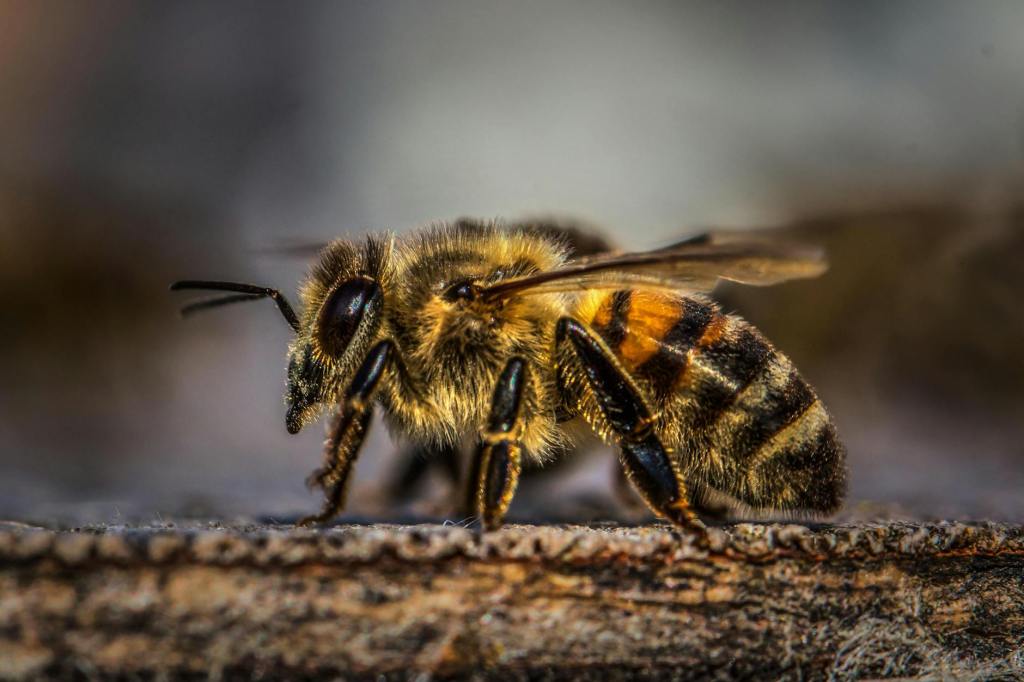
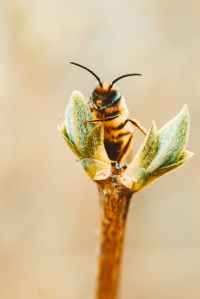
In the amber-hued silence of the hive, honeybees live as a single, breathing rhythm. At the center of this sacred dance is the Queen. She is a singular vessel of life. Her scent binds the thousands into one. She is the hive’s living heart. Her daughters guard her. They gather the fleeting whispers of summer. These are transmuted into liquid starlight. This devotion echoes through ancient folklore. Bees were whispered to be messengers to the heavens. They bridge the gap between the mortal world and the divine with every golden drop of honey.
This tireless devotion results in more than just honey. It powers a global ecosystem. This work pollinates hundreds of agricultural plants. It supports roughly one-third of the human food supply. These golden laborers have thrived for millions of years, proving themselves to be the world’s most efficient ecological engines. Beyond their industrial output, they symbolize a profound connection between the wild and the cultivated. They turn sunlight and pollen into the literal foundation of our diets. By understanding the complexity of their social structures, we see their unwavering commitment to the hive. This understanding helps us gain a deeper appreciation for the delicate balance of our environment. Supporting these tiny titans goes beyond a gesture for nature. It represents a commitment to the planet’s enduring health and abundance that we share.
Buzzing Insights
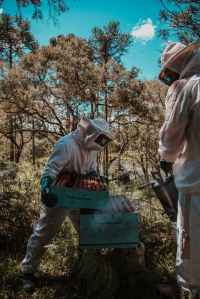
Bees are more than just buzzing insects—they’re vital pollinators facing real threats in our modern world. In a recent episode of our podcast, we sat down with Willow, who is a passionate beekeeper. What started as an escape for Willow and her friend turned into a thriving passion project. Eager to make a difference, they dove into beekeeping despite having no land or much money. Partnering with a generous farmer, they set up hives and let the bees take the lead. As Willow shared, “The rest of the story kind of wrote itself. Bees took over from there.”
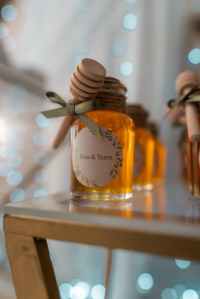
Willow emphasized sustainable practices, drawing from 1800s methods. Instead of stripping hives bare and feeding bees sugar water, they leave ample honey for winter survival. We delved into hive dynamics: queens, laying fertilized eggs for worker bees and unfertilized ones for drones. Urban beekeeping hurdles were a hot topic— Materials? Simple wood boxes, unchanged since the late 1800s. Honey’s health perks shone through: raw, local varieties combat sore throats, heal wounds, and even serve as natural skincare. Many varieties of honey exist. Examples include pricey New Zealand Manuka or dark buckwheat. Willow urges us to sample different kinds to discover all the unique flavors and textures.
Beyond honeybees, Willow highlighted native pollinators from habitat loss and pesticides. Bee hotels—easy DIY logs with drilled holes—provide nesting for solitary species like carpenter bees. Willow’s tip: Skip supermarkets, buy from local keepers for authenticity and to support ethical care.
Getting started? Research via Beekeepers Association courses, start with two hives (~$500 each plus $250 for a nucleus colony), and compare progress. Total startup for three: around $2,000.
This episode was a sweet reminder of bees’ magic and our role in their survival. Check out Willow on Instagram @willowvwisp
Tune into our podcast for more eco-adventures. Support your local buzz—bees need us now more than ever.
Inside the Hive: Beekeeper Willow
Location: Ontario, Canada
 Name and Occupation