
Name: Erik Nieminen Occupation: Montreal & Berlin based Painter
City of Freedom
Berlin calls itself “poor but sexy.” That’s not marketing. It’s accurate.
The city runs on low rent and high ambition. Artists move here because they can afford to fail. Studios cost what a closet costs in London or New York. That economic freedom creates creative freedom. The result: 138 museums, 400+ art galleries, and a street art scene that functions as open-air experimentation.
The Underground Scene
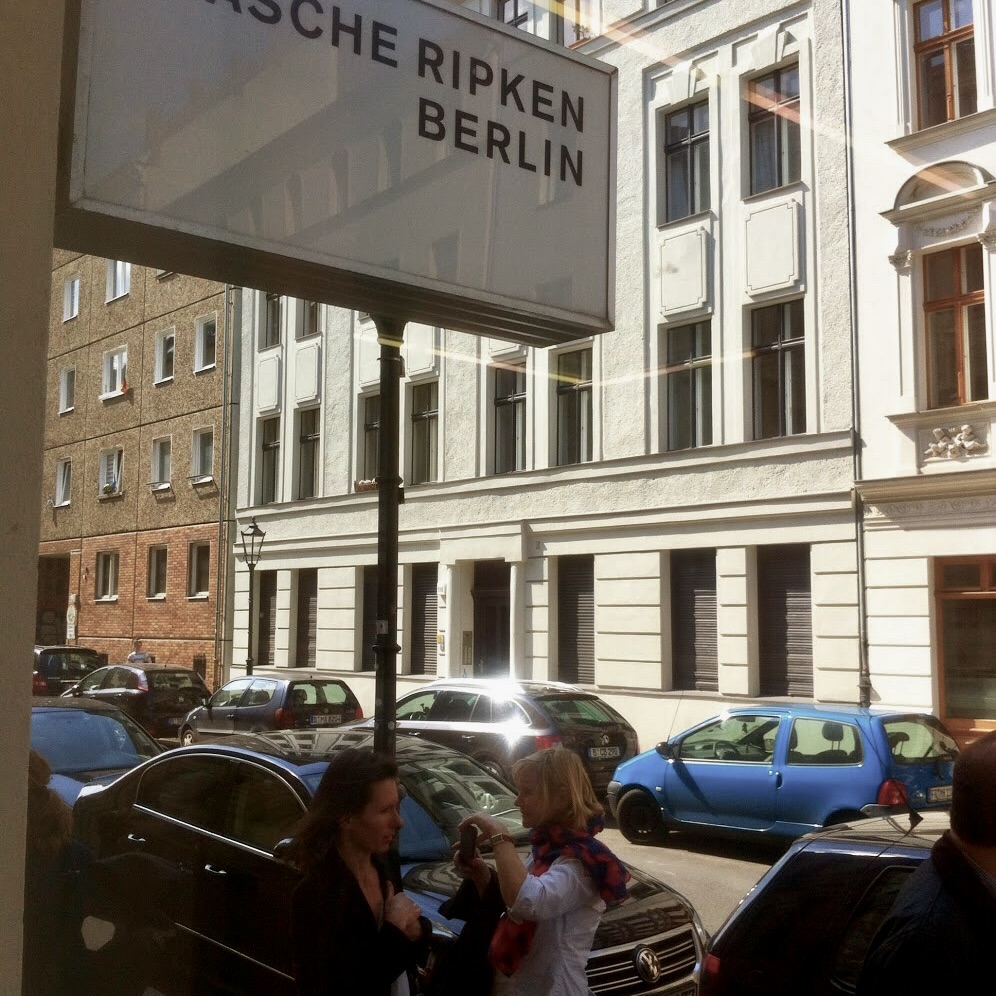
Hundreds of tiny galleries operate in holes in walls. Literally. One-person operations. Two-person curatorial teams. Small independent spaces with no institutional ties, no corporate funding, no mandate beyond showing work someone decided mattered.
These galleries open. They close. New ones appear. The churn is constant. That’s the point. Berlin doesn’t preserve failure—it replaces it.
The graffiti and street art work the same way. Visual interruptions covering the urban landscape. Some of it’s terrible. Most of it’s mediocre. Occasionally something brilliant emerges. The city tolerates the bad to allow space for the good.
The Factory Floor
Erik Nieminen, who lived and worked in Berlin for years, describes it as Europe’s most relaxed major city. Not lazy. Relaxed. The difference matters.
“You see a lot of bad work in Berlin,” he says in the Anonymous Reality documentary. “An enormous amount of bad work. But you also see a lot of really good work because it’s essentially a factory. It’s the factory floor where things are tried out and tested.”
That factory floor operates without the pressure that defines other art capitals. Berlin doesn’t demand immediate commercial success. The city allows time. Space. Failure. Artists experiment because the infrastructure supports experimentation. Low cost of living. Abundant studio space. A culture that doesn’t equate risk with stupidity.
What Berlin Offers
Casual culture. Artistic risk. A population that embraces balance between work and leisure without guilt. The city challenges the idea that life must be high-strung to be productive.
Berlin attracts artists—emerging and established—because the creative energy is real, not manufactured for tourism brochures. The nightclubs. The festivals. The architecture. The museums. All of it functions because the economic foundation allows it to.
The city isn’t perfect. Rents are rising. Gentrification pressures the same neighborhoods that made Berlin Berlin. But the core infrastructure remains: a place where artists can work without the commercial pressure that crushes experimentation elsewhere.
For those who value creative risk over financial certainty, Berlin remains the ultimate playground. A test lab where ideas get hammered out. Where successful concepts emerge and spread globally. Where failure doesn’t end careers—it fuels the next attempt.
Follow Erik on Instagram
Produced by Name and Occupation
All images by André Quesnel
Anonymous Reality Documentary — Erik Nieminen’s decade across five cities, including Berlin
In-Depth Germany — Complete German travel coverage
Street Art Documentary — Following the street art scene across Berlin, New York, Amsterdam, and Ottawa


