
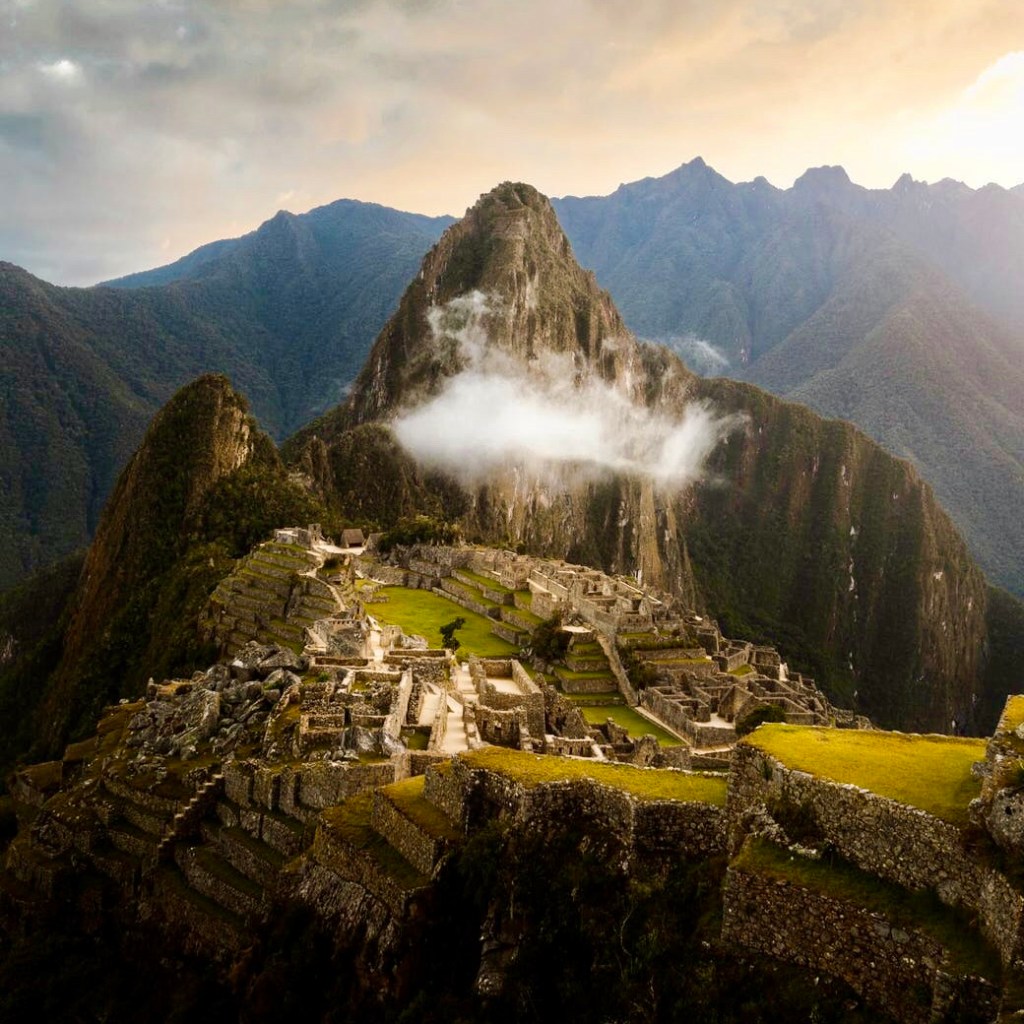
“Land of the Incas”
A Journey Through Time
There are places you visit, and then there are places that change you. Peru stands as a titan of travel—a land where the echoes of the Incan Empire meet the cutting edge of global gastronomy. Whether you are chasing the sunrise over the Andes or the perfect ceviche in a Lima alleyway. Peru doesn’t just offer a vacation; it offers an awakening. Naturally, Machu Picchu remains the crown jewel. If your heart beats for flavor, Lima is your pilgrimage site. Currently home to several of the world’s top-ranked restaurants.
The mist is lifting over the peaks, and the Amazon is calling. Start planning your expedition by watching our podcast episodes on Peru travel and prepare to discover why Peru remains the ultimate soul-searching destination.
Episode
In-Depth Peru Music, Food and Culture
In this episode, we dive into Peru’s rich culture, history, and cuisine, featuring guest Marlene Daupner, a world traveler who’s visited the country. The show opens with Chef Francesco preparing “chancho adobado,” a traditional Peruvian street food from a 1970s Time-Life recipe book.
Geographically, Peru sits on South America’s Pacific coast, with Lima as its capital. The flag’s coat of arms features a Vicuña, symbolizing the Andean heritage. As one of the Seven Wonders, this Inca site, built at 7,000 feet without mortar, wheels, or iron tools, showcases engineering genius—stones fit so precisely they withstand earthquakes via “dancing” during tremors. Visual highlights include stunning Rainbow Mountains, colored by minerals, and Nazca Lines—ancient geoglyphs speculated for their creation.
A poignant Anthony Bourdain clip wraps up: journeying to rare white cacao beans in the Andes, emphasizing travel’s value—walking in others’ shoes or eating their food builds empathy. The episode calls for subscriptions, blending education, humor, and sensory delights into a captivating Peruvian tribute.
Interview
In-Depth Conversation with Marlène Doepner
Marlène took a backpacking trip through South America 22 years ago, She visited Ecuador, Peru, Bolivia, Chile, Argentina, Brazil, Colombia, and back to Ecuador, traveling from north to south. Peru stood out for its diverse landscapes: warm coastal areas along the Pacific, transitioning to the inland Andes with massive snow-capped mountains. The journey began by crossing from Ecuador into Peru, emphasizing the country’s appeal for travelers.
Side Notes
What to expect climbing Machu Picchu…
Marlène recounts an exhilarating 4-day, 3-night trek along the Inca Trail to Machu Picchu in Peru, costing just $53, which covered a guide, porters, tents, sleeping bags, and meals. The 45 km journey involved strenuous mountain climbs and descents—such as 5 hours uphill followed by 4 hours downhill—crossing the Andes. They highlight the Inca Empire’s famed trails, used by runners to relay messages from leaders like Pachacuti to villages, with rest huts along the way.
On the final day, they rose at 4:15 AM for a 2-hour hike to witness a magical sunrise over Machu Picchu, described as a massive, ancient site with precisely fitted stones hauled up mountains.
To prepare, Marlene trained for a month at a gym, focusing on cardio like treadmill inclines and stairs, as the trek reaches altitudes of 4,700 meters with oxygen scarcity. Starting with a group of 10, two dropped out due to illness. Porters, adapted locals with enlarged lungs, carried gear and cooked impressive meals, like stuffed peppers, while running ahead.
Challenges included rapid temperature shifts—sweating during ascents, freezing winds at peaks—and weather variations, from valley rain to sunny cloud tops. Despite the physical demands, rain, and cold, the experience was rewarding. Marlene highly recommends Peru for its rich history and diverse ancient civilizations.
In my Peru travel-journal
Marlène reflects on rereading their six-month travel journal, focusing on the intense Peru itinerary: daily routines involved 8-hour bus rides to new cities, morning visits to sites, followed by 14-hour night buses to the next destination. They frequently used night buses to save money by avoiding hotels and “sleeping” during travel, though sleep was poor due to bumpy roads. Upon arrival, they’d nap for two hours in parks or on beaches before exploring, highlighting the exhausting yet cost-effective pace of their journey.
Floating tribe of Lake Titicaca
Marlène describes visiting Lake Titicaca, a massive lake on the Peru-Bolivia border. They highlight the people, who live on floating islands made of reeds, requiring new layers every three weeks due to rotting—walking on them feels like a water bed. Homes and boats are also constructed from these reeds, resembling banana boats.
They stayed with a family on one of the larger islands, where locals grow potatoes and follow a vegetarian diet. The separate kitchen features a cooking fire and free-roaming guinea pigs that eat scraps; these animals are reserved for shamans’ healing rituals, not consumption.
Another island, Taquile, features men knitting colorful hats (toques) to signify status: available (e.g., half red/half white for singles), married, or in authority. The community gathers Sundays to collectively decide residency. There’s no central government, police, or crime—everything is decided together, creating what sounds like an ideal system.
Half a year on 17$/day in South America
Marlène reflects on a six-month backpacking trip through South America 22 years ago, right after finishing their bachelor’s degree to avoid starting work. They flew from Canada to Ecuador, for $500 round-trip and traveled with their boyfriend on a strict $17 daily budget per person (totaling about $3,000 for the trip), covering three meals, hostels, and buses—only withdrawing an extra $50 for souvenirs at the end.
Marlène’s Travel tips for Lima
Hotels.com: Save up to 25% on mobile exclusive offers!
Food
Peruvian Street-Food TIPS
Marlène describes eating plenty of affordable street food during their travels, finding it enjoyable—especially coastal seafood for around 50 cents. More frequently across South America, they opted for the plate of the day, typically chicken, rice, and beans, starting with a soup or broth made from chicken parts like feet (complete with nails), heads, and other offcuts, heavily flavored with cilantro. They humorously compare the broth to hot dog ingredients, prompting laughter. At about $1, the meal was substantial, including dessert, making it a filling and budget-friendly staple.
Chancho Adobado con Yucca Frita
In this cooking segment, Chef Francesco demonstrates “Chancho Adobado,” a simple Peruvian pickled pork dish. The dish is highlighted as easy, inexpensive, and flavorful, with visuals of the final plated meal looking appetizing.


Related
 Name and Occupation