A Deep Dive with Colombian Photographer and Author
Cartagena is not a subtle city. It announces itself through vibrant, almost defiant color. You feel the thick heat radiating off ancient stone. The Caribbean sits at the edge of every street like an undeniable fact. Because it is a historic port city, it has functioned for centuries as a melting pot. It is a place where cultures collide. African, Indigenous, and Spanish histories have folded into one another. This identity remains even as the modern world attempts to pave over its roots.
She was surrounded by women who served as the keepers of everything that mattered. These women were the custodians of stories and practices. They held ways of moving through the world passed down through generations. None of this was recorded on paper. Because this heritage was entirely oral, it depended on time and proximity. It required a willingness to sit still and listen. This upbringing instilled in her a deep respect for cultural preservation. This theme would later become the backbone of her professional life.
THE GREAT CONTRAST: FROM THE CARIBBEAN TO THE LOWLANDS
Luisa moved to the Netherlands at age 20. The contrast was immediate and total. This shift involved more than just language or climate. It changed how she perceived communities and history. She landed first in the historic density of Amsterdam. Later, she moved to the planned architecture of Almere. In these places, she started to recognize the weight of what she had left behind. While physically in Europe, she mentally retraced her ancestors’ steps in Colombia. This tension between Cartagena and Amsterdam became her creative lens.
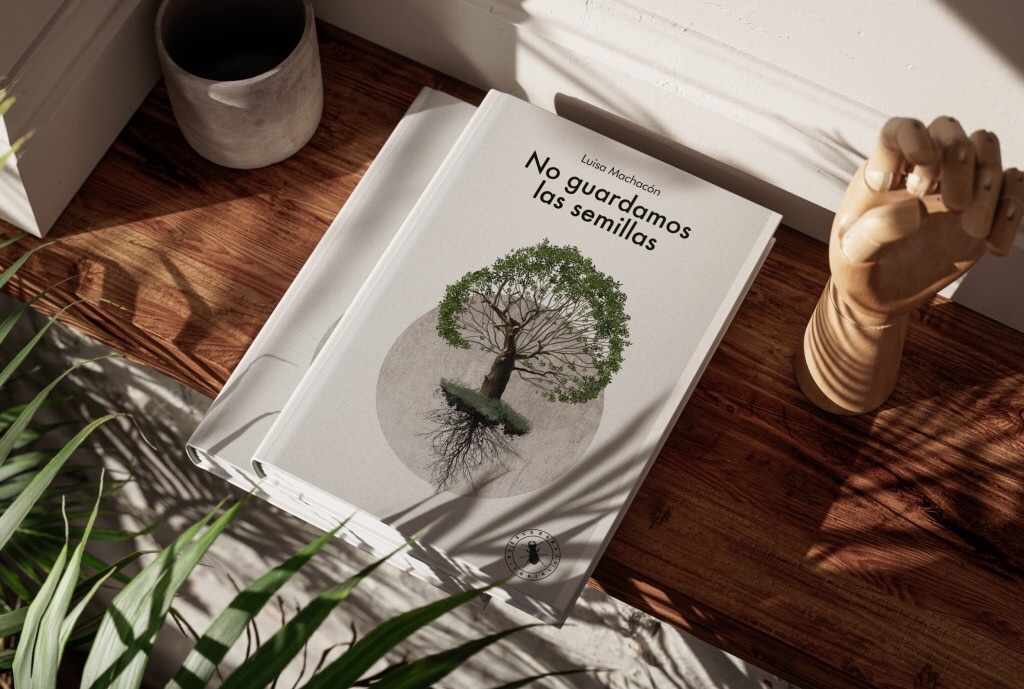
As a researcher, writer, and photographer, Luisa acts as a bridge. She authored No Guardamos las Semillas (We Did Not Keep the Seeds). This work serves as both a poetic lament and a sociological study. Every project she takes on returns to the same essential question. What gets lost when culture meets concrete? When a community moves to a city where space is a luxury, what happens to the soul? What parts of our identity are left at the border?

PHOTOGRAPHY
THE ART OF THE HONEST FRAME
In her professional practice, Luisa specializes in personal branding photography. Her approach is remarkably specific. She utilizes natural light and real environments. Capturing people as they truly are. She avoids the artificiality of the studio. To Luisa, identity is inseparable from environment. The goal is never to produce a perfect, airbrushed frame. Instead, she seeks the honest one. Her work carries a distinct authenticity. This stands out in an era of filtered social media.
THE LEGACY OF MENTORSHIP
This philosophy traces back to her mentor, Daniel Mordzinski. He is known internationally as “the photographer of writers.” Mordzinski famously avoids traditional studio setups. He prefers to find the settings that shaped his subjects. He shoots in their homes, their libraries, or their neighborhoods. The environment tells the story that the face alone cannot. Luisa adopted this “contextual” approach for her own work. She started as a casual photographer at festivals. She built skills alongside her academic studies. Gradually, a personal obsession became a professional practice. Her clients respond to images that feel like a person, not a version for a lens.
CARTAGENA TO AMSTERDAM
The Netherlands surprised Luisa in unexpected ways. She had anticipated the iconic canals and cycling culture. However, the abundance of greenery was a genuine shock. She came from a country where conflict made landscapes inaccessible. In contrast, the public nature of Dutch parks felt like a revelation. To find nature that belonged to everyone was a change. Walking into the woods without a second thought altered her perception of public space.
Amsterdam provided the creative friction she needed. It is a city that moves fast. It attracts a global population and takes culture seriously. This environment produces real, tangible output. For a researcher and photographer, the city offered a vital platform. It provided an audience that appreciated the complexity of migration.
INTERVIEW
Name: Luisa Machacon. – Occupation: Researcher, writer & photographer.
Location: Amsterdam – From: Columbia – https://luisamachacon.com
In this episode, Luisa discusses her photography practice. She explains the development of her book. Also details the psychological impact of her move. She is specific about the losses. This includes the loss of a home and a way of being. She explores what urbanization took from Cartagena. She examines how migration forces an individual to rebuild.
The conversation delves into practical realities. Luisa explains building a creative practice in two languages. She speaks in specifics and real-life examples. The episode offers a grounded look at the Colombian experience in Europe. It concludes with a reading from her book. This serves as a powerful testimony to her journey. It honors the resilience of the women who raised her.
No guardamos las semillas
THE SEEDS WE DID NOT KEEP
The title of her book translates to We Did Not Keep the Seeds. It is a meditation on quiet loss. This loss happens slowly. You do not notice it until the process is complete. Family yards are paved over for high-rises. Oral histories stop being told. The “seeds” represent the stories and practices of a culture. They are the DNA of a community.
Luisa was surrounded by the primary bearers of her family’s legacy. Her grandmother and mother held knowledge not found in textbooks. They knew how things were done and what they meant. However, that transmission was always fragile. It required time and deep attention. Modern life often disrupts these conditions. Moving to the Netherlands gave Luisa a new perspective. She could see these patterns of loss clearly.
POETRY AS TESTIMONY
The book is written as poetry, yet it reads as testimony. It is grounded and specific. Luisa knows exactly what she is mourning. Colombia’s conflict-era history serves as the backdrop. However, she does not reduce the work to mere politics. Instead, she focuses on the human cost of displacement. She explores the forced severance from land and community.
We Care
PHOTOGRAPHY AS ADVOCACY
Her exhibition “WE CARE” is her clearest expression of mission. She co-created the show with fellow artist Diana Agàmez. The show blends photo and poetry. It explores what care actually means in families and migrant communities. By highlighting the invisible labor of women, Luisa brings her childhood themes to the gallery. She ensures these stories are preserved in art. Even if the seeds were not kept in the ground, they live in her work.
Full details and work: luisamachacon.com Instagram: @luisa.machacon