
MUSIC, FOOD, AND TALES
Spain doesn’t do anything quietly. The food is abundant and the nights are long. Indeed, the regional pride is the kind that makes people argue loudly about the true origin of paella. It’s a country that has been layering cultures for centuries — Roman, Moorish, and Christian. Because of this layered history, the result is a complex society that cannot be reduced to a single identity.
Every part of Spain feels like its own country. For example, the Basque Country has its own language and very strong opinions about its unique cuisine. In contrast, Catalonia offers mountains, coastlines, and a creative energy that produces world-class architecture. Andalusia features flamenco, intense heat, and whitewashed villages. Meanwhile, Madrid boasts galleries and bars that open at midnight and close at dawn.
The pace of life here is famously different. Lunch is the main event. It is taken seriously and usually taken late. While the siesta is mostly a myth in modern cities, the principle behind it remains real. This principle suggests that rest is not laziness. Instead, it proves that a long meal with friends is never wasted time.
Because relationships come before transactions, business often happens over food. The social life is not separate from work; rather, it is the foundation of it. Spain rewards the traveler who slows down. The best version of any Spanish city is found in the neighborhood bar at 2 p.m. on a Tuesday. It is also found in the market before the crowds arrive. Spain is a place where the “standard” tourist map fails to capture the true spirit of the streets.


Interview
AUTHOR, MUSICIAN & RETREAT OWNER
Marc Cinanni has a biography that takes time to process. He has Italian-Canadian roots and spent time at the United Nations in Geneva. Moreover, he studied at Oxford and recorded in Ashrams. He eventually built a retreat in the hills of Catalonia with his partner, Esther. This move was not just a change of scenery; it was a total recalibration of how they interact with the world.
Muntanya Màgica sits in the heart of the Catalan wine region. Because they prioritize sustainability, the site features solar power and organic gardens. There is even a yurt in the forest. Marc describes it as a way of living rather than a mere place to stay. The retreat hosts writing residencies and live music events. The philosophy is to disconnect from the noise of the modern world. By removing the digital distractions, guests find a rare kind of clarity.
This episode traces his full arc. It moves from institutional burnout to a peaceful life in Catalonia. Ultimately, it is a story about taking the long way around to find a place that truly makes sense. It explores the courage required to leave a stable career for a life built on soil and song.
THE LANDSCAPE OF THE RETREAT
The location itself plays a massive role in the experience. Because the hills are quiet, the creative mind has room to expand. Marc and Esther built the community around shared meals. This ensures that guests don’t just stay there; they participate in the rhythm of the land. Whether it is gardening or attending a live performance, the focus remains on the “here and now.”
In this episode, Marc explains the logistics of off-grid living. He discusses the challenges of building a yurt and maintaining an organic garden. However, he also emphasizes the spiritual rewards. For Marc, the shift from Geneva to the mountains was a return to his own humanity
Full interview: Marc Cinanni Documentary: Muntanya Màgica Retreat
Living Wild on Muntanya Màgica
The documentary Living Wild serves as the visual heartbeat of the Muntanya Màgica story. Because the film follows Marc and Esther as they trade Barcelona’s pace for the Penedès wine region, it captures a deliberate recalibration of life. The project documents a personal choice that evolved into a community movement.
Pamplona BULL RUN
Paul Bower has run with the bulls in Pamplona 35 times. His first run was in 1976. Because he has decades of experience, he does not view the festival through a typical travel guide lens. This episode explores the reality of being in a narrow street with hundreds of people and charging animals. It is a raw look at a tradition that many misunderstand from the outside.
Bower is very clear about the risks involved. While the bulls are dangerous, the crowd is often the bigger threat. People fall and pile up in the streets. Since the bulls move through whatever is in their way, knowing the terrain is vital for survival. This interview serves as a necessary briefing for anyone considering the run. It strips away the romanticism and replaces it with practical, life-saving advice.
THE PSYCHOLOGY OF THE RUN
Running with bulls is as much a mental challenge as a physical one. Paul discusses the fear and the adrenaline that define those few minutes in the street. He explains how the energy of the crowd can be more unpredictable than the animals themselves. The seasoned runner must remain calm while everyone else is panicking.
In this episode, we also discuss the training—or lack thereof. Paul describes how he prepared for his first run and how his strategy evolved over forty years. He talks about the “mozo” culture and the unspoken rules of the street. If you don’t respect the bulls, the bulls will not respect you. It is a lesson learned in seconds but remembered for a lifetime.
BEYOND THE RUN: THE TRADITION
Beyond the run itself, the episode examines Pamplona as a cultural hub. The festival of San Fermín lasts for nine days every July. Ernest Hemingway wrote about it in 1926. Even though his book still draws crowds today, Hemingway famously preferred drinking to running. He captured the spectacle, but Paul captures the grit.
The post-Franco era changed the festival permanently. Because Bower has participated for five decades, he has watched these changes firsthand. He offers an honest look at the evolution of the event. Specifically, he discusses how the influx of global tourism has altered the local atmosphere. While the festival is bigger than ever, the core tradition remains guarded by those who actually step onto the cobblestones.
This conversation is essential for understanding the true spirit of Pamplona. It is about more than just the thrill; it is about history, community, and the weight of a 400-year-old tradition.
Full interview: Paul Bower
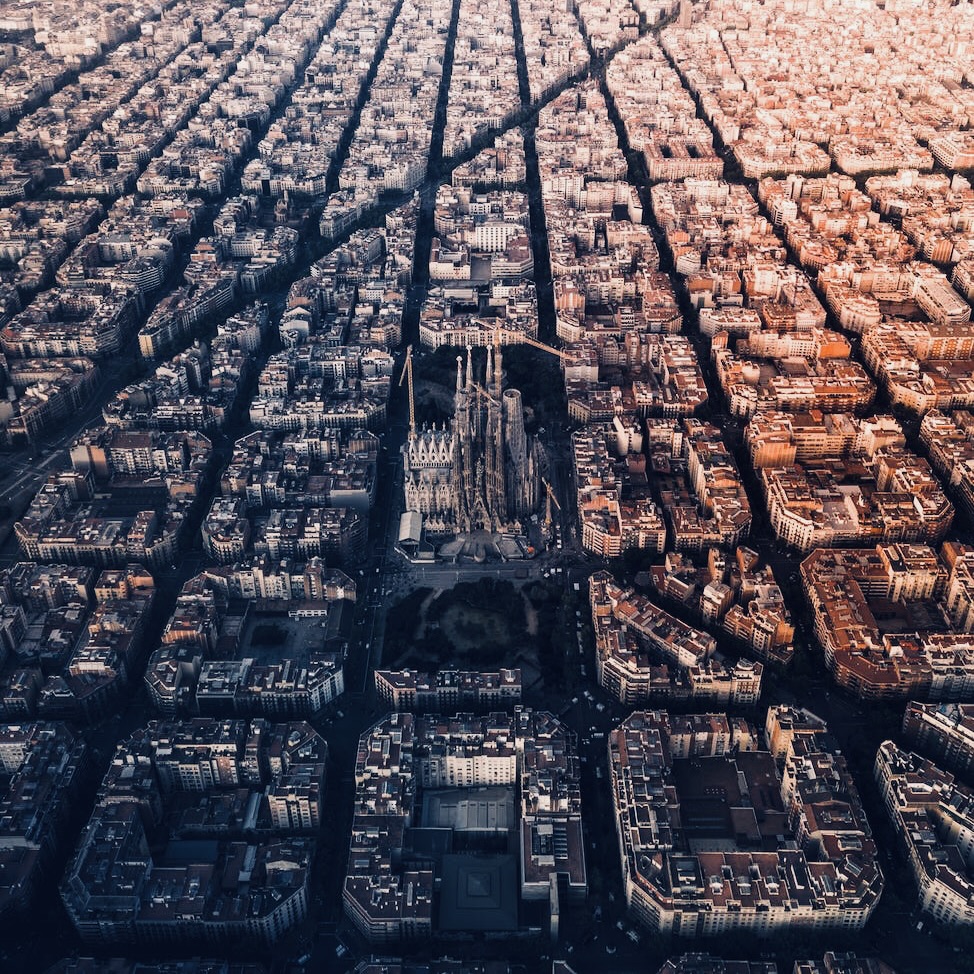
Barcelona – What You Need to Know Before You Go
Malaga (SPAIN)
Algeria De La Vida Bed & Breakfast
Half an hour from Malaga airport, high into the hills, sits a finca rebuilt in 1934. It has been welcoming guests ever since. Algeria De La Vida is the kind of place that travel guides often struggle to describe. Because it does not fit neatly into a standard category, it offers a unique experience. The property features colorful rooms, a pool surrounded by lush gardens, and fresh orchards where the fruit is always ready to pick.
Whimsical glamping tents provide a different option for guests seeking a closer connection to the outdoors. To see the property in its true light, special guest Myrthe tours the grounds. Indeed, her walkthrough makes the case for the finca better than any written description can. The property feels less like a hotel and more like a private sanctuary.
THE SURROUNDING LANDSCAPE
The surrounding area provides even more reason to visit. However, renting a car is essential for exploring the region properly. The beaches are close, yet the silence of the hills remains undisturbed. Specifically, the village of Nerja is worth the drive. There, the Balcony of Europe offers stunning views across the Mediterranean toward Africa on a clear day.
The regional food is straightforward and consistently excellent. For example, churros define the mornings, while fresh olives appear on every table. The seafood is as fresh as possible, usually arriving that same morning. Because a 1,500-year-old olive tree stands nearby, the entire region is placed into a different historical perspective.
Ultimately, the atmosphere of Malaga is found in the small details. Salsa music plays on the radio while goat bells ring out in the morning. This is Malaga at its most honest. It is a place where history and hospitality meet in the hills.
Full episode: Algeria De La Vida