
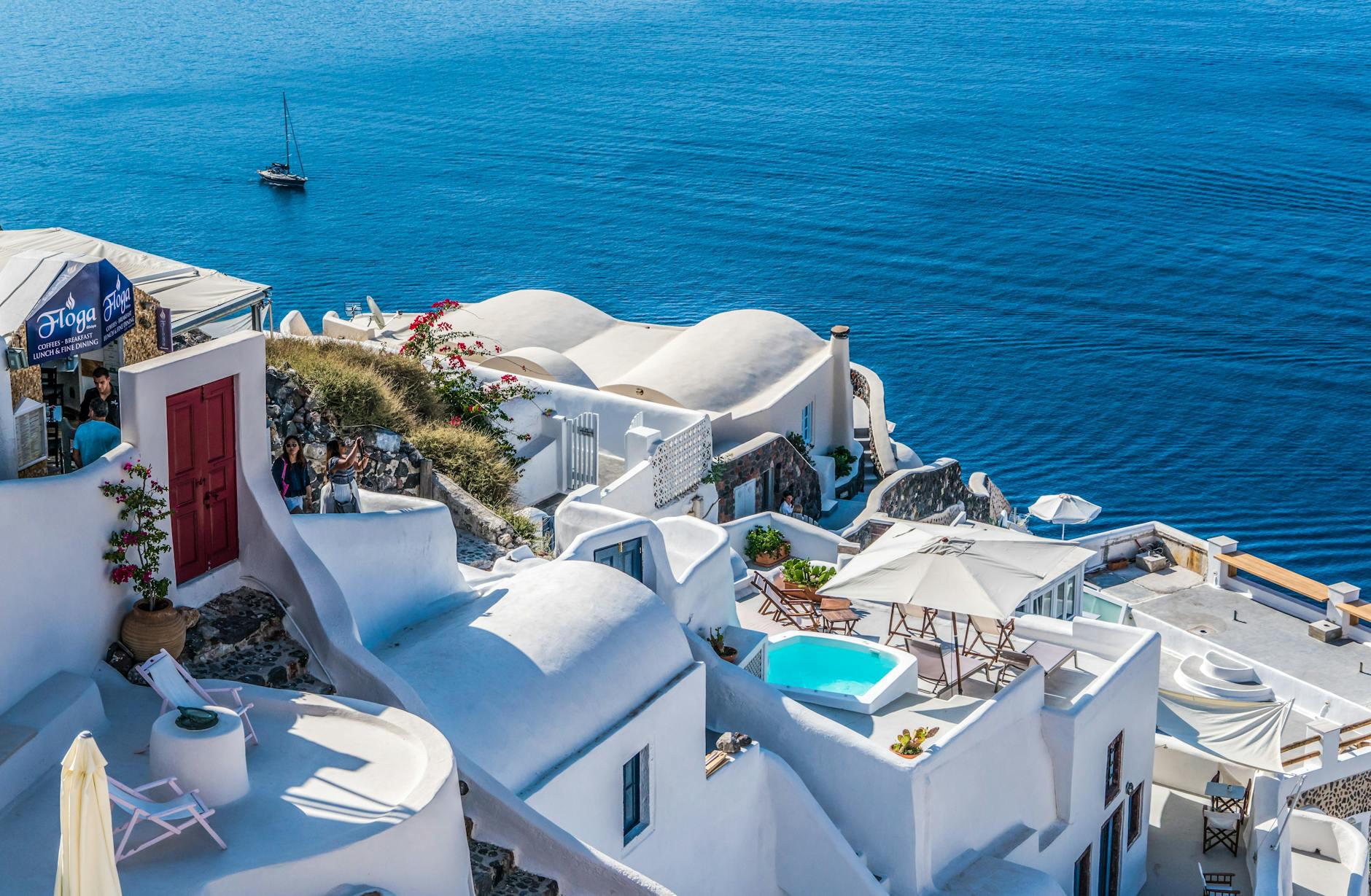
Discovering Greece: A Traveler’s Delight
Greece doesn’t need a sales pitch. It’s been selling itself for three thousand years.
What it needs is someone willing to get past the postcard version — the blue domes and infinity pools of Instagram. You have to go into the markets, the side streets, and the islands that don’t show up on the first page of a search engine. Greece rewards the curious and punishes the rigid itinerary. The best moments happen when you take a wrong turn down a cobblestone alley, say yes to a second carafe of house wine, or watch the sun drop into the Aegean while locals argue passionately about football. The country operates on its own logic. Once you accept that, everything gets better.
When to Go Come in May or October. The light is softer, the prices are lower, and the islands feel like they belong to you. August is beautiful but brutal — full of heat and lines. Shoulder season is Greece at its most honest. Note for 2026: Be aware of the Climate Resilience Tax; it’s a small nightly fee collected at all accommodations to support local infrastructure.
In’s and out’s of Athens
The oldest continuously inhabited city in Europe moves like it knows it. The Acropolis anchors everything — fifth-century BC ruins that the rest of the city organises itself around. Go early, before the heat and the crowds arrive; the morning light is worth the alarm. Below the hill, the neighbourhoods vary wildly. Plaka is cobblestones and cats — charming and worth an evening stroll. Monastiraki is the market: chaotic, fragrant, and honest. Exarcheia is where the street art lives and students argue politics until 3am, while Kolonaki offers designer boutiques and rooftop bars.
Full guide: IN-DEPTH Athens
The amazing Island of Leros
Leros is a small Dodecanese island that most people fly over on their way to Rhodes. That’s their loss. Leros is authentic — not curated or performing for cameras. You’ll find stone villages that climb the hills slowly and water so clear you can see the bottom from the boat. The pace here is the whole point. The beaches are quiet, the roads are empty enough to cycle, and the castle above Pandeli reflects on the harbour at night. Leros is the island you tell people about when you get home, feeling quietly smug that they’ve never heard of it.
Full guide: IN-DEPTH Leros
A quick tour of Kos Island
Kos sits in the southeastern Aegean with more history per square kilometre than most countries. Roman ruins sit next to Byzantine walls and an Ottoman castle that still dominates the harbour. Kos Town is wide enough to wander without a plan, but small enough that you won’t stay lost for long. The island is flat, making it one of the best cycling destinations in the Aegean. Rent a bike, head south toward the beaches, and stop wherever looks good. It is a perfect middle ground for those wanting history and beaches without the overwhelming crowds of larger islands.
Greek Cuisine: Simple, Fresh, and Ancient!
From Athens street markets to a harbourside table in Leros, the food is a constant argument for staying longer. Moussaka done slowly with thick béchamel, souvlaki eaten standing up on a side street, and spanakopita flaking onto your shirt at 8am. The seafood is the standout: whatever came in that morning, grilled simply with lemon and olive oil.
The markets are where the soul of the kitchen lives — fragrant, loud, and full of produce that actually tastes like what it is. The surprise: the best pizza of the entire trip wasn’t in Italy. It was in Greece, from a local chef who understands that fresh ingredients don’t need help. We’re still talking about it.
12 bucket list stays for food fanatics