
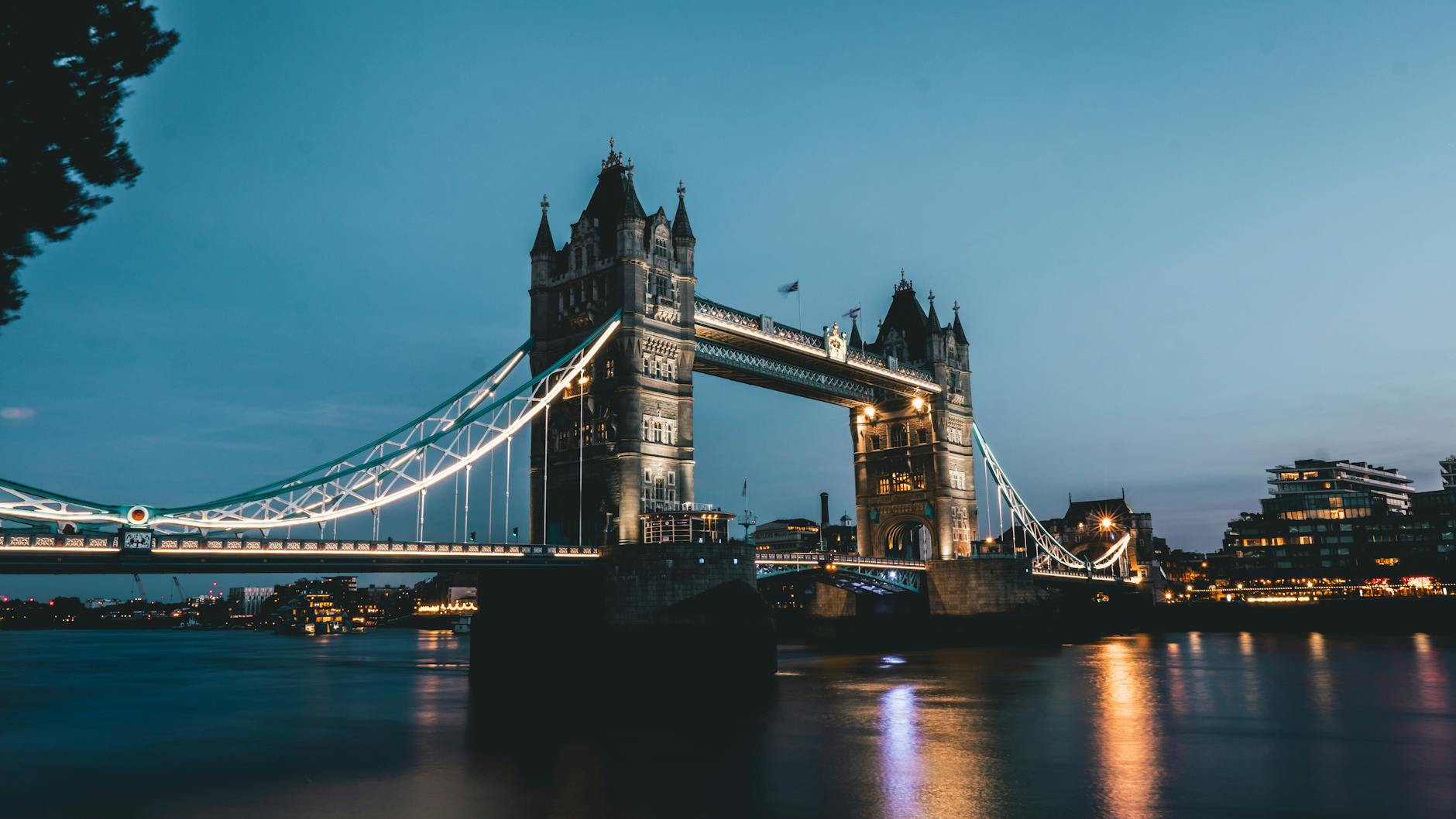
The Peninsula of Peninsulas
The Old Continent
Europe functions as a dense, high-voltage collection of 50 sovereign nations packed into 10.5 million square kilometers. Because civilizations here spent millennia building directly on top of one another, the continent possesses more UNESCO World Heritage Sites than any other landmass. You do not simply cross geographic lines; you cross centuries of ambition and conflict. Geographers specifically name it the Peninsula of Peninsulas because major regions like Scandinavia, Iberia, Italy, and the Balkans extend like fingers from the main Eurasian body into the Atlantic and Mediterranean. This jagged coastline dictated the terms of survival for centuries, launching naval empires and forcing a relentless cultural exchange within a remarkably small, combative area.
Today, the cities wear this history as functional, deteriorating urban infrastructure. Rome forces modern commuters to navigate around the Colosseum and the Pantheon every single day. Athens maintains the Acropolis as a silent overseer watching a sprawling metropolis of 3.7 million people. Paris utilizes Haussmann’s 19th-century boulevards to channel millions of residents, while Amsterdam manages its commerce along a 17th-century canal ring. Berlin displays the Brandenburg Gate and the remains of the East Side Gallery within walking distance of each other, forcing travelers to confront three distinct centuries of European trauma before lunch. This proximity creates a geography where the past is never dead; instead, it remains something you walk on and eat in every afternoon.
High-speed Rail
The European rail network acts as the central nervous system for this historical density. As of 2026, a massive expansion of high-speed and overnight routes has changed the mechanics of moving across the peninsula. The European Sleeper now connects the damp canals of Amsterdam directly to the sunlit streets of Barcelona. High-speed lines obliterate the old distances, launching passengers from London to Paris in two and a quarter hours or sprinting from Madrid to Barcelona in two and a half. Since the infrastructure runs with such efficiency, the train has become the only practical alternative to short-haul flights.
Rail travel delivers you from city-center to city-center, eliminating the friction of airport security and lowering your carbon footprint. It forces you to observe the shifting geography through wide glass windows rather than skipping over it in an aluminum tube. You watch the landscape transition from the flat agricultural grids of the north to the arid, rocky hills of the south. The stations themselves pulse with a specific energy—a mix of ozone, diesel, and baking bread—that signals exactly which culture you have just entered. This connectivity makes moving between nations feel less like international travel and more like changing neighborhoods.
The Vibe
When you step off the train, the cafe culture provides the primary social skeleton of daily life. This is not a tourist affectation; it is a necessity. In Vienna, the coffeehouse tradition survives from the 17th century, where professional waiters leave you alone at marble tables for as long as you desire. Paris orients its sidewalk bistro chairs toward the street by design, turning every pavement into an ongoing theater production. In Italy, the espresso ritual requires standing at a crowded bar and finishing a dark, bitter shot in under two minutes. Conversely, the Portuguese pastelaria runs a slow-paced service from morning coffee through afternoon pastry. These societies prioritize public space designed for lingering without guilt.
The financial reality of navigating these spaces varies dramatically by region. Scandinavia and Switzerland run on a high-cost frequency that routinely shocks the unprepared. However, Portugal, Greece, and the Balkan countries offer exceptional value, providing historic centers and world-class food at a fraction of Western European prices. The Schengen Area smooths over these fault lines by covering 27 countries with no internal border controls. Because you never show a passport between member states, multi-country travel becomes a seamless, unbroken experience. Ultimately, Europe demands that you show up, sit down, and pay attention to the small, daily rituals that keep the old continent alive.
Countries
NAO has produced IN-DEPTH guides for ten European countries and cities — each one covering the history, the food, the culture, and the specific details that make the place worth going to.
Scotland — whisky distilleries, Highland landscapes, and the specific character of a small country with a very large cultural footprint.
Sweden — design culture, the midnight sun, and the social model that made Scandinavia the reference point for quality of life.
France — Paris, Normandy, Provence, 400 cheeses, and the croissant origin story that surprises most people.
Greece — the Acropolis, the islands, the food, and the democracy origin story that shaped every political system that followed.
Italy — Rome to Naples road trip, Herculaneum, the Amalfi Coast, and Antonietta De Giovanni’s 40 years in Puglia.
Spain — Barcelona architecture, Andalusian culture, tapas, and the flamenco tradition.
The Netherlands — the Delta Works, 35,000km of cycling infrastructure, and six Dutch expats interviewed across three continents.
Germany — Bad Ems Roman baths, the Mercedes Museum, spaghetti ice cream, and Marlène Doepner’s family road trips.
United Kingdom — London, the countryside, and the cultural exports that shaped the modern world.
Vienna — the Habsburg Empire, the coffeehouse tradition, classical music, and Albert Frantz on what it takes to play at that level.
Book Now and Save at Hotels.com
Search Here for Hotels.com Best Hotel Deals!


