
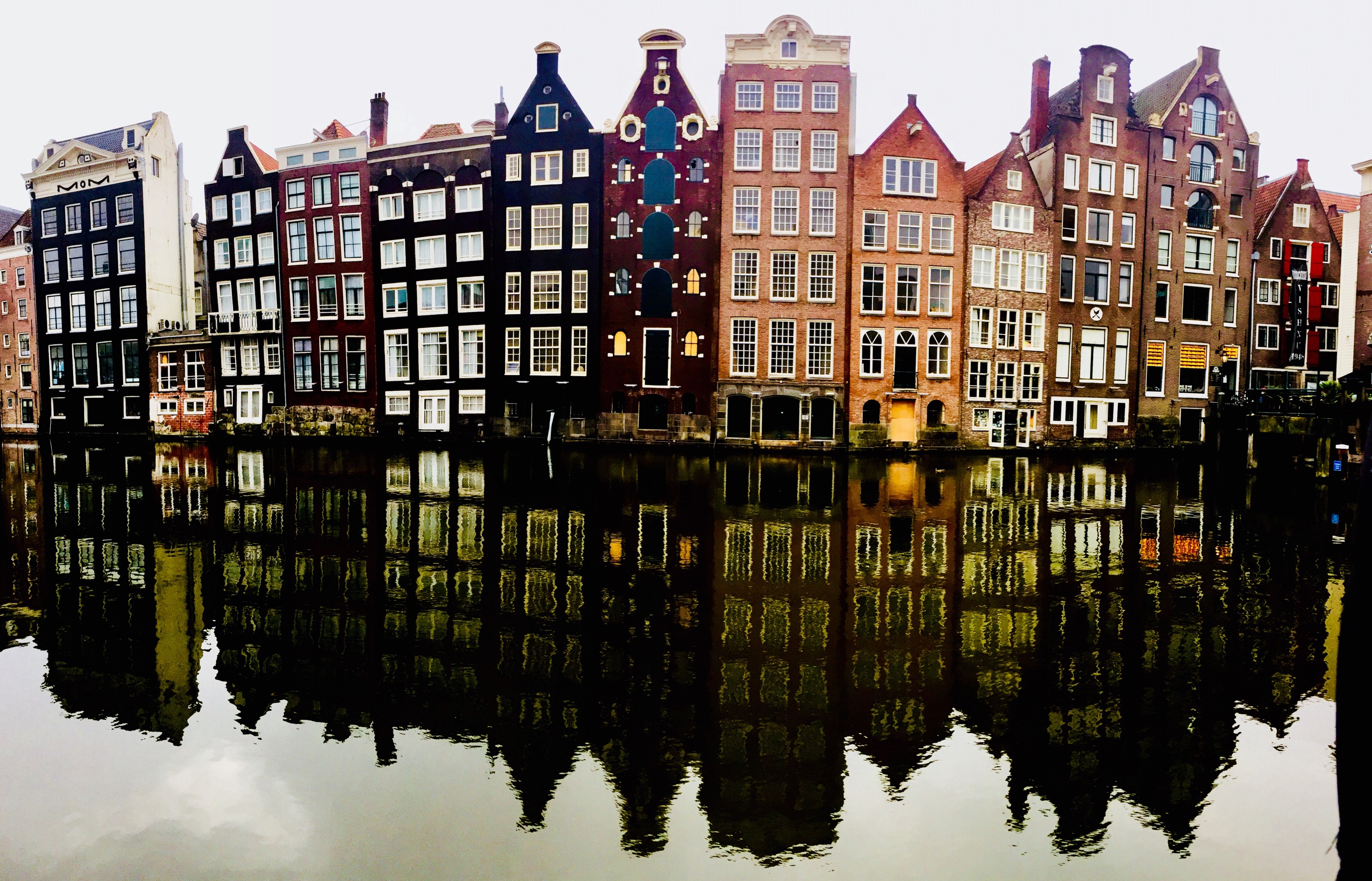
Flying Dutchmen
The Netherlands has one of the most distinctive work cultures in Europe. The country averages 32 hours of paid work per week—the lowest in the developed world. The four-day work week emerged in the 1990s as a cost-saving measure during a recession. It worked. Productivity held. Burnout dropped. The model spread across sectors from technology to education.
What began as economic necessity became cultural standard. By the time other countries started debating the four-day week as radical policy, the Dutch had been living it for thirty years.
Dutch law guarantees every employee a minimum of four weeks of annual holiday. The concept of niksen—the Dutch practice of doing nothing deliberately, without guilt—runs through the social fabric. Not laziness. Dutch culture treats rest as something you schedule alongside work, not something you earn after it.
Employers who contact staff after hours face social disapproval. In some sectors, legal consequences. The Dutch defend the boundary between professional and personal time.
The Results
The numbers support the model. The Netherlands tops global rankings for work-life balance, happiness, and child welfare. UNICEF named it the best place in the world to be a child. Dutch workers report the lowest levels of workplace stress in Europe.
The country’s part-time culture functions as a structural feature of the labour market, not a career disadvantage. Women work part-time at higher rates here than anywhere else in the developed world. The system accommodates this rather than penalizing it.
The Economy
The economy behind this culture moves fast. The Port of Rotterdam handles over 400 million tonnes of cargo annually—the largest port in Europe. Dutch agritech makes the Netherlands the second-largest food exporter in the world by value, behind only the United States. From a country smaller than West Virginia.
Sustainable energy, financial services, and digital infrastructure drive consistent growth. A rested workforce produces better results over time than one running on overtime.
The Criticism
The Dutch model draws criticism. Housing costs in Amsterdam and Utrecht have risen sharply. Income inequality, while lower than most European neighbours, continues to grow.
But the core architecture remains intact. Short hours. Long holidays. Protected personal time. A culture that doesn’t equate overwork with ambition. One of the more coherent attempts any country has made at building an economy around people rather than the other way around.
All images by André Quesnel. Watch the feature story below.
Related Reading
Dutch work 32hrs a week · The Netherlands — best place to be a child (UNICEF) · Best Work-Life Balance · World Happiness Report · Harvard Business Review — 4 Day Week · Niksen
Travel Coverage
Tulip Fields · Vlieland Island · Happy Stones · Paint and Beer Amsterdam · Street Art Amsterdam · Utrecht Graffiti · Groningen · Demolition Street Art Project
Complete Netherlands Travel Guide


