
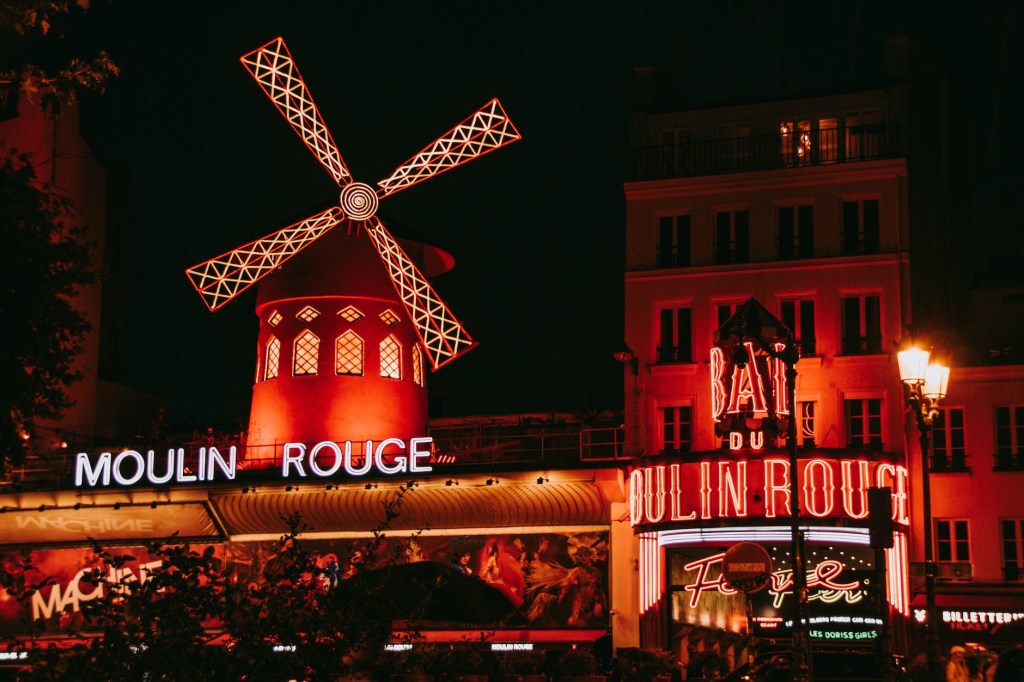
Roaring Twenties Paris: Exploring the Jazz Age in the City of Light
The Roaring Twenties in Paris, famously dubbed the Années Folles or Crazy Years, stands as a captivating epoch where the French capital reinvented itself after the shadows of World War I. This Jazz Age era turned Paris into a magnetic epicenter for groundbreaking art, uninhibited nightlife, and cultural upheaval. As the world shook off wartime gloom, Paris bloomed with innovation, drawing global talents to its cobblestone streets and lively boulevards. Imagine a city where jazz rhythms clashed with intellectual debates, flappers danced through the night, and modernism reshaped everything from literature to fashion. For anyone fascinated by 1920s Paris history, this period encapsulates a unique blend of excess, creativity, and social transformation that continues to inspire.
Delving into Roaring Twenties Paris reveals a story of resilience. The devastation of war birthed a collective urge for renewal, making the city a sanctuary for the “Lost Generation”—expatriate artists and writers seeking escape and expression. From Hemingway’s cafe haunts to Art Deco’s geometric flair, the Années Folles Paris era left an enduring legacy. Whether you’re planning a trip to trace Jazz Age landmarks or simply curious about 1920s Paris culture, understanding this vibrant chapter unlocks the soul of the City of Light.
Post-War Paris: Rising from Ruins to Economic Surge
The aftermath of World War I left Paris scarred, with economic turmoil and social scars dominating the early 1920s. The 1919 Treaty of Versailles promised peace but delivered instability, including hyperinflation and severe shortages. Parisians endured strict rationing—limited bread and infrequent meat access—amid rebuilding efforts. However, by mid-decade, a remarkable revival took hold. Innovations in automobiles, electricity, aviation, and radio propelled industrial growth, surpassing pre-war outputs in many sectors.
This economic upswing in 1920s Paris was bolstered by massive immigration, attracting workers to fuel reconstruction. As the heart of France, Paris reaped the benefits: stock markets soared, new businesses flourished, and urban life electrified. Yet, beneath the boom lurked vulnerabilities—currency fluctuations and growing inequalities hinted at impending downturns, culminating in the late-1920s global crash. Socially, Roaring Twenties Paris sparked profound changes. Women, empowered by wartime roles, embraced independence, paving the way for modern feminism. Cafes became egalitarian spaces, dissolving class divides, while American influxes added a layer of bold extravagance to Jazz Age Paris society.
Expatriates in Paris: The Lost Generation’s Creative Haven
No exploration of Années Folles Paris is complete without the expatriates who flocked there, disillusioned by post-war realities elsewhere. The “Lost Generation,” a term capturing their wandering spirit, found Paris an affordable, liberating muse. Central to this scene was a pioneering salon hostess whose gatherings ignited collaborations among emerging geniuses in art and words.
A tough Midwestern reporter landed in the Latin Quarter in 1921, absorbing the city’s pulse for his stark narratives. He encountered a charismatic duo whose lifestyle mirrored the era’s peaks and pitfalls—the man a budding author, his partner the quintessential free-spirited muse. Their adventures, from Riviera retreats to Parisian revels, epitomized 1920s Paris glamour.
Montparnasse studios buzzed with visual innovators, experimenting with abstract forms and surreal visions. Photographers documented the ethereal, while indie bookstores nurtured forbidden texts and heated dialogues. These outsiders in Jazz Age Paris forged a dynamic ecosystem, where unconventional thinking thrived and global influences merged seamlessly.
Modernism’s Birthplace: Art and Literature in 1920s Paris
Paris in the Roaring Twenties solidified its reign as modernism’s cradle. Born from war’s disarray, movements like surrealism and dadaism upended conventional reality. A landmark international expo in 1925 unveiled Art Deco’s sleek lines, revolutionizing architecture, decor, and accessories across Jazz Age Paris.
Literary output from the Lost Generation probed deep themes of isolation and indulgence. Novels with concise, powerful language critiqued societal flaws, while later reflections idealized the Parisian idyll as an ever-shifting celebration. African American creatives discovered relative openness, weaving rich threads into the cultural tapestry and extending Harlem Renaissance vibes to Années Folles Paris.
Boulevard cafes served as innovation forges, where scribes and painters swapped inspirations over aperitifs. This fusion birthed genre-blending masterpieces, cementing 1920s Paris as the heartbeat of modernist evolution.
Hemingway’s Paris Legacy: The Sun Also Rises and Le Select Cafe
In the artistic whirlwind of Montparnasse during Roaring Twenties Paris, Le Select cafe emerged as a legendary nexus. Established in 1923 on Boulevard du Montparnasse, it evolved into a round-the-clock haven by 1925, luring icons like Picasso and Fitzgerald with its Deco elegance and welcoming vibe.
Ernest Hemingway, the battle-hardened adventurer who reached Paris in 1921, personified the Jazz Age’s turbulent soul. While drafting at serene spots like La Closerie des Lilas, he gravitated to Le Select for camaraderie and observation. These experiences fueled his 1926 masterpiece, The Sun Also Rises—a raw chronicle of fractured lives in post-war Europe.
The book weaves disillusionment with desire, centering on Jake Barnes, a scarred expat echoing Hemingway. Montparnasse’s cafes symbolize transient bonds in Années Folles Paris. A pivotal scene sees Jake and the captivating Brett Ashley impulsively cab to Le Select, encountering a struggling scribe amid lively chatter, exposing the era’s hidden struggles beneath surface revelry.
Le Select echoed Hemingway’s routine—morning fuels and evening escapades nurturing his unadorned style. Acclaimed for depicting the Lost Generation’s essence, the novel uses Parisian settings as emblems of impermanence. His memoir later mused on these venues as arenas for life’s dualities.
Even now, Le Select thrives, its outdoor seating a nod to 1920s Paris charm. It’s a must-visit for fans, stirring the novel’s motifs of endurance, as dawn breaks anew over the avenue.
Jazz Fever: Nightlife and Fusion in Années Folles Paris
Jazz, carried over by wartime troops, set Roaring Twenties Paris ablaze at night. A trailblazing show launched a bold entertainer whose provocative performances shattered norms and celebrated diversity.
Montmartre and Montparnasse overflowed with rhythmic venues, where pioneers blended transatlantic sounds. Endless parties sidestepped bans, with creative libations in cozy dives. Grand cabarets dazzled with ornate shows, popularizing steps like the Charleston in Jazz Age Paris.
This after-dark world reflected evolving dynamics: tentative inclusivity and relaxed roles for women. It embodied the decade’s untamed energy in 1920s Paris.
Fashion Revolution: Liberation Through Style in 1920s Paris
Roaring Twenties fashion in Paris symbolized emancipation. Ladies abandoned confining attire for breezy dresses, slim cuts, and short locks, embracing the flapper ethos. Visionary couturiers championed functional chic, tailored for jazz’s dynamic moves. Bold accents like hats and cosmetics perfected the liberated aesthetic.
These trends spilled into everyday freedoms: driving, careers, and solo outings. Though challenges remained, Années Folles Paris sowed equality’s roots. The 1925 expo propelled this vogue globally.
Enduring Impact: Reflections on Jazz Age Paris
The Crazy Years crashed with economic woes and looming conflicts, yet their imprint on art, tunes, and liberty persists. Paris’s transformative spark highlights creativity’s resilience in chaos.
1920s Paris Today: Reviving the Roaring Twenties Spirit
In 2026, Paris vibrates with echoes of the Roaring Twenties amid cutting-edge progress—sustainable transport, green projects, and tech hubs. Historic enclaves link to Jazz Age exuberance, with centennial tributes amplifying Années Folles Paris allure.
Begin in Montparnasse and Saint-Germain for Lost Generation trails. Iconic eateries like Le Select and La Coupole offer Deco vibes and budget meals, ideal for soaking in 1920s Paris cafe life. Nearby, Café de Flore buzzes for observation, evoking Fitzgerald’s era.
Book lovers: Plaques at Rue de Fleurus honor salons; marked Hemingway abodes guide walks. The revived Shakespeare and Company sparks modern literary vibes.
Art fans: The Art Deco centenary shines at Musée des Arts Décoratifs with expansive exhibits. Venues like Théâtre des Champs-Élysées and Grand Palais fuse old grandeur with fresh events.
Evening haunts: Harry’s crafts classic cocktails; Ritz’s Hemingway bar nods to history. Jazz dens like Le Caveau revive Baker’s beats.
Wider scene: Design festivals reimagine 1920s spaces with inspired pieces. Tours spotlight elegant hotels. Eco advances weave with heritage, affirming Paris as innovation’s eternal home.
This bridge to the past proves the Twenties’ roar echoes eternally in Jazz Age Paris explorations.
To enrich your journey, check audio dives into this time. One podcast episode uncovers Hemingway’s world in Roaring Twenties Paris, highlighting cultural upheavals, key personalities, and beloved spots.
Another narrates a trip to Le Select, sharing the setting’s feel, local talks, iconic sips, and outdoor eats—all fueling a passion for 1920s Paris legends.
 Name and Occupation