
The Rainbow Nation
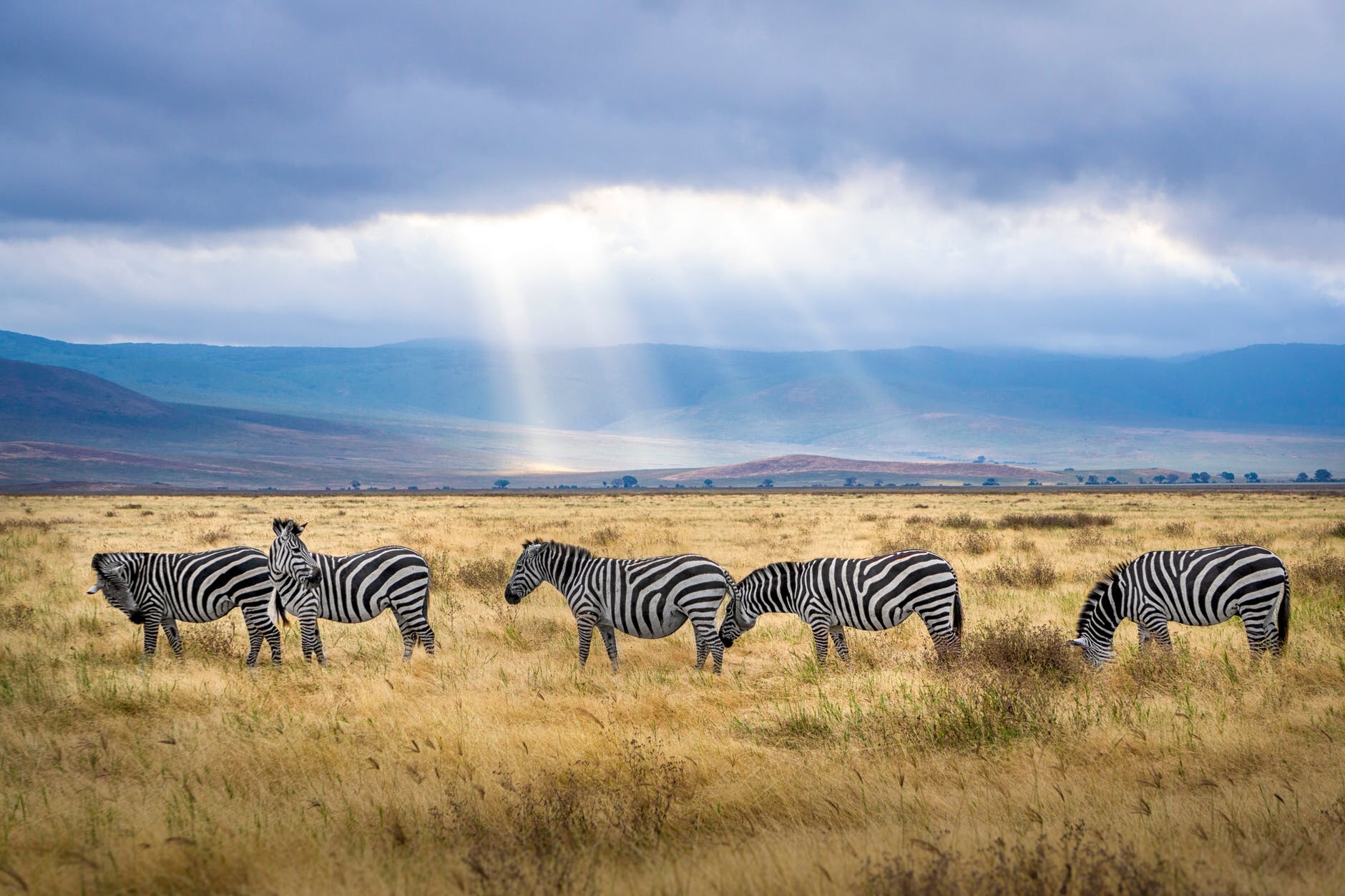
South Africa sits at the extreme southern tip of the African continent where the Atlantic and Indian Oceans collide in a churn of cold and warm currents. This specific geography shaped every historical and cultural event that followed. The country covers 1.2 million square kilometers, bordering six different nations while maintaining a coastline that stretches for over 3,000 kilometers. While the arid Kalahari Desert runs across the northwest, the massive Drakensberg Mountains rise along the eastern edge, reaching heights above 3,400 meters. Along the southern coast, the Garden Route traces a stretch where ancient forests, quiet lagoons, and jagged cliffs meet the sea. Moreover, the Kruger National Park in the northeast protects 20,000 square kilometers of savanna, an area roughly the size of Israel. Table Mountain watches over Cape Town from a height of 1,086 meters. Because it is flat-topped and frequently draped in a layer of cloud known as the “tablecloth,” it remains one of the most recognizable and photographed geological formations on Earth.
Multicultural
The country officially recognizes 11 different languages, which include Zulu, Xhosa, Afrikaans, and English. This linguistic variety reflects the actual complexity of a society assembled from indigenous hunter-gatherers, migrating Bantu farmers, Dutch settlers, and British colonizers. It also includes the descendants of Indian laborers brought by the British in the 19th century and various other groups from across the globe. Archbishop Desmond Tutu described the population as the Rainbow Nation after the end of apartheid in 1994. The phrase stuck because it was accurate, yet it also highlighted the immense challenge of bringing such diverse threads together into a single national fabric.


The History
The people of this region left rock art across the country dating back 75,000 years, which represents the oldest sustained artistic tradition on Earth. This deep history is also evident at the Cradle of Humankind, a UNESCO World Heritage site located 50 kilometers northwest of Johannesburg. Dutch settlers first arrived at the Cape in 1652 to establish a refreshment station for the Dutch East India Company. Subsequently, the British took control of the Cape Colony in 1806 and expanded steadily inland. The discovery of diamonds at Kimberley in 1867 and gold on the Witwatersrand in 1886 accelerated the pace of colonization and displacement.
Eventually, the tension between British and Boer interests led to the Anglo-Boer Wars, which ran from 1880 to 1902. Following these conflicts, the apartheid system formalized racial segregation in 1948. This brutal system held until Nelson Mandela walked out of Victor Verster Prison on 11 February 1990 after 27 years of captivity. He became the country’s first democratically elected president in 1994. Since then, South Africa has been navigating the difficult distance between that historic moment and genuine economic equality.
Famously
The country has produced globally significant figures across every industry. Elon Musk was born in Pretoria in 1971, while Academy Award-winner Charlize Theron grew up in Benoni, east of Johannesburg. In the field of medicine, Christiaan Barnard performed the world’s first successful human-to-human heart transplant at Groote Schuur Hospital in 1967. Moreover, the country produces some of the most respected wines in the world from the Stellenbosch, Franschhoek, and Robertson valleys. Route 62, which runs through the Klein Karoo, is recognized as the longest wine route on the planet, offering a stark landscape that contrasts sharply with the lush vineyards of the coast.
Episode
South African music, food & culture
The South Africa episode of the NAO Podcast opens with Francesco cooking bobotie live in the studio. Because the aromatic smell of the national dish fills the room, the geography segment begins with a sensory foundation. From there, the episode covers the physical scale of Africa as a continent. With an average elevation of 600 meters, it is comparable to the Americas but sits lower than Asia’s average of 950 meters.
Three landmarks anchor the episode. First, the Vredefort Dome is a 300-kilometer wide, 2-billion-year-old impact crater. As the largest verified meteorite site on Earth, it puts the country’s geological age into perspective. Second, Table Mountain holds over 2,285 plant species within its boundaries. This is more than the entire United Kingdom, despite the area being inhabited by the Khoisan for at least 10,000 years. Third, Route 62 through the Western Cape offers canyon drives and ostrich country across the longest wine route in the world.
Beyond the physical landmarks, the cultural segment covers Zulu traditions in depth. This includes the war dances that demonstrate physical discipline and collective power. We also explore the cuisine shaped by 1.5 million Indian descendants living primarily in KwaZulu-Natal. The music section traces the evolution of Johannesburg’s club scene. Since Chicago house and R&B landed in South Africa differently than in Europe, the local acid house sound became kwaito and eventually Afrobeats. The episode closes with a note on a remote restaurant in the interior that holds global recognition despite its isolated location, proving that mastery of craft can draw the world to your doorstep.
Interviews
Denyse Racine
Denyse Racine spent 29 years promoting South Africa for the Canadian government at the South African Embassy in Ottawa. During her career, she encountered Nelson Mandela twice. Because she traveled extensively through the country, she experienced everything from the Rovos Rail luxury train to the Vredefort Crater. She describes South Africa as a safe country and credits those three decades with giving her a depth of knowledge that most visitors never reach. Her perspective is invaluable for anyone looking to understand the diplomatic and logistical side of South African relations.
South African-Canadian Pastry-chef
Julia Gindra was born in South Africa and moved to Canada at 17. She trained at the Château Laurier and the Fairmont Banff Springs before becoming a professional pastry chef and business owner. In 2017, she was a finalist in the Hawksworth Young Chef Scholarship. Her South African roots show up directly in her cooking. For instance, she prepares Malva Pudding, the sticky caramelized sponge that is the definitive South African dessert. Her work also features Dutch apple pie, which traces back to the same Cape Dutch culinary tradition that produced bobotie.
Recipe
South African Bobotie
Francesco prepares bobotie in the NAO kitchen—a spiced minced meat dish baked with a savory egg custard on top. The origins of this dish trace back through the Cape Dutch kitchen to ancient Roman cookery. The Dutch brought the concept to South Africa in the 17th century. Once there, local spices and apricot preserves reshaped it into something specific to the Cape. As a result, it is warm, mildly sweet, and deeply savory.
The preparation starts by soaking white bread in milk to bind the mixture. From there, Francesco builds the base in a cast-iron pan. He uses onions, garlic, curry powder, and turmeric for warmth. Instead of traditional chutney, he uses apricot jam for a cleaner sweetness. The spiced meat mixture goes into a baking dish before the egg custard is poured over the top. It bakes until the custard sets golden. Traditionally, it is served with yellow rice and raisins. Because it keeps well, it often tastes even better the next day. This recipe serves as a reminder of how food travels and evolves across borders, becoming a staple of the “Rainbow Nation” kitchen.
For more on Africa — covered in full on NAO.