
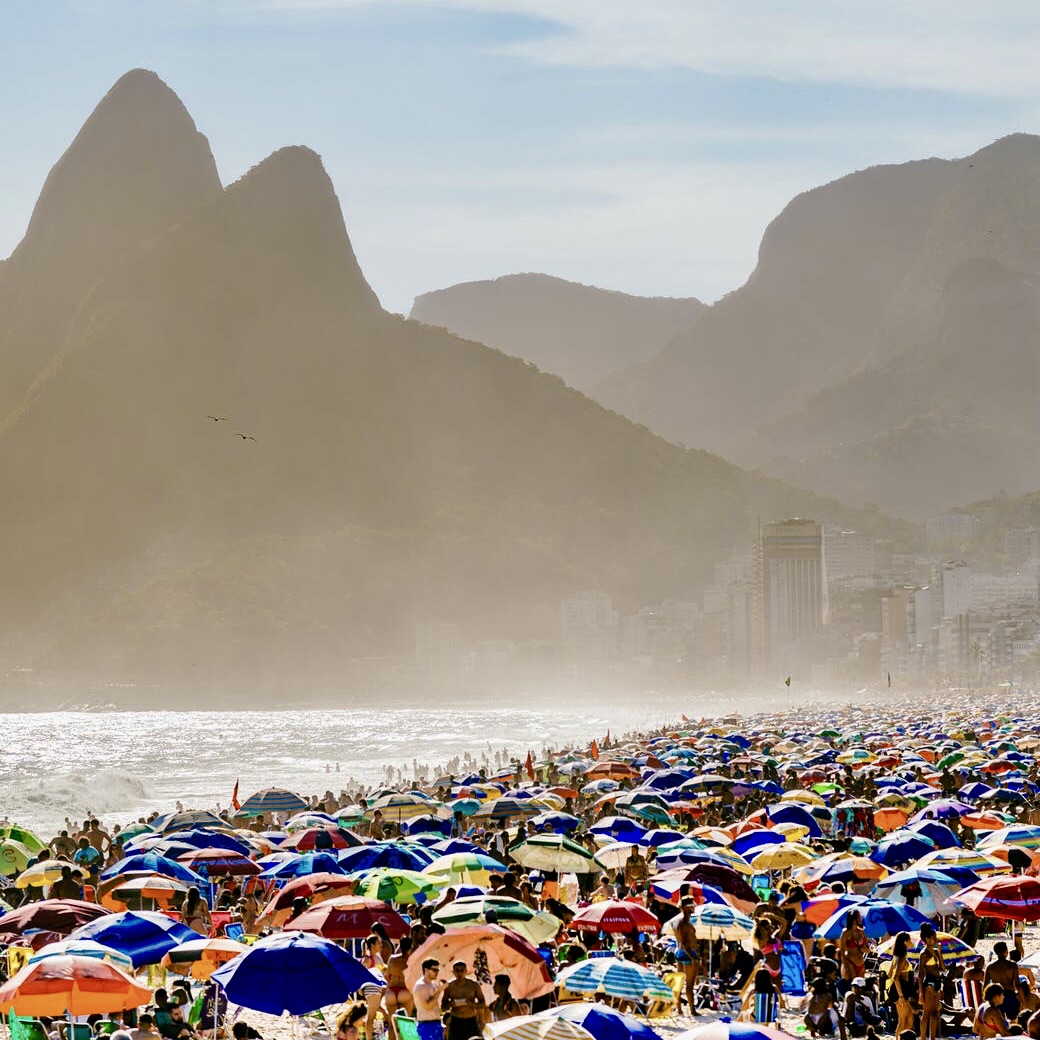
Central America, South America and the Caribbean Culture
The Essence of Latin America
Latin America spans Central America, South America, and the Caribbean — roughly 20 million square kilometres across 33 countries and more than 650 million people. In short, it is the most linguistically diverse region in the Western Hemisphere, with Spanish, Portuguese, French, English, Dutch, and over 400 Indigenous languages still spoken across the continent. The civilisations that built Machu Picchu, Teotihuacán, and the Mayan temples of Central America predate European contact by millennia. Consequently, the cultural foundations here are older, and run deeper, than the colonial history layered over them.
The geography
The Andes run 7,000 kilometres down the western spine of South America — the longest continental mountain range on earth. The Amazon Basin holds 10 percent of all known species on the planet, serving as the world’s primary carbon sink. The Atacama Desert in Chile remains the driest non-polar desert in the world, receiving less than 1mm of rain per year. Along the Caribbean coastlines of Colombia, Costa Rica, and Cuba, the region offers some of the most biodiverse marine environments anywhere. The continent holds every climate zone simultaneously. As a result, the food, the agriculture, and the daily rhythms of life vary enormously between regions.
The Music
The rhythmic complexity of Latin America has no global equal. Cumbia developed on the Caribbean coast of Colombia from African, Indigenous, and Spanish elements. Tango emerged from Buenos Aires in the late 19th century from African candombe and European polka. Salsa consolidated in New York from Puerto Rican and Cuban traditions, while bossa nova emerged from Rio de Janeiro in the 1950s, blending samba with American jazz. Reggaeton began in Puerto Rico in the 1990s and has since become one of the most-streamed genres globally. The continent did not produce one sound — it produced an engine for rhythmic innovation that has not stopped running.
The Cuisine
The food is built on pre-colonial foundations. Corn, potatoes, quinoa, chillies, and cacao are all Native American crops that now feed the world. Arepas — corn flatbreads — form the daily staple across Colombia and Venezuela. Ceviche in Peru marinates fish in lime and aji amarillo, a technique predating the Spanish by centuries. Mole in Mexico involves over 20 ingredients, including cacao, dried chillies, and spices, slow-cooked for hours. Specifically, the traditional cuisine of the region has been shaped by Indigenous knowledge over thousands of years, with African and European influences arriving much later.


Interviews
Places
Episode
Cuba Edition – Live on location with Chris
Cuba hits you like a rum-soaked fever dream. The island is 1,250 kilometres long and shaped, from above, like a crocodile—a jagged stretch of land locked in a half-century suspension. Crumbling colonial facades in Havana lean like tired old boxers, while ’50s Chevys and Buicks rumble past with chrome gleaming and engines coughing on scrounged gasoline. These aren’t relics; they’re daily transportation, patched together with pride and master improvisation.
The air smells of diesel, sea salt, and Cohiba smoke. One puff of a hand-rolled cigar and you’re back in a world where the clocks stopped but the soul stayed sharp. Music spills from every doorway: son, rumba, salsa. A trumpet wails on a corner while congas thump like heartbeats. People dance because they must—joy as a form of resistance. The food is simple and fierce: roast pork crackling, black beans thick with cumin, and yuca fried crisp. A meal in a back-alley paladar feels like a secret worth keeping.
Varadero’s beaches stretch white and endless, turquoise water lapping at a coastline that remains the ultimate Caribbean frontier. It is a place where the rhythm of the tide is the only clock that matters.
Chris Carkner broadcast live from Cuba’s Varadero coast— bridging Canada, Cuba, and Holland in a single episode. Watch the full Cuba Edition.
Interviews
Luisa Machacón is a Colombian actress and creative based in Europe — her interview covers identity, language, and working across cultures.
Marlène Doepner was born in Bolivia and raised in Europe — her interview covers displacement, belonging, and what home means across borders.
Trailblazers of Change covers humanitarian work in the region.
Places
IN-DEPTH Peru — Machu Picchu, the Rainbow Mountains, and Lima’s food scene.
IN-DEPTH El Salvador — volcanoes, surf coast, and the smallest country in Central America.
Costa Rican Road Trip — 25 percent rainforest cover and one of the happiest countries in the world.


